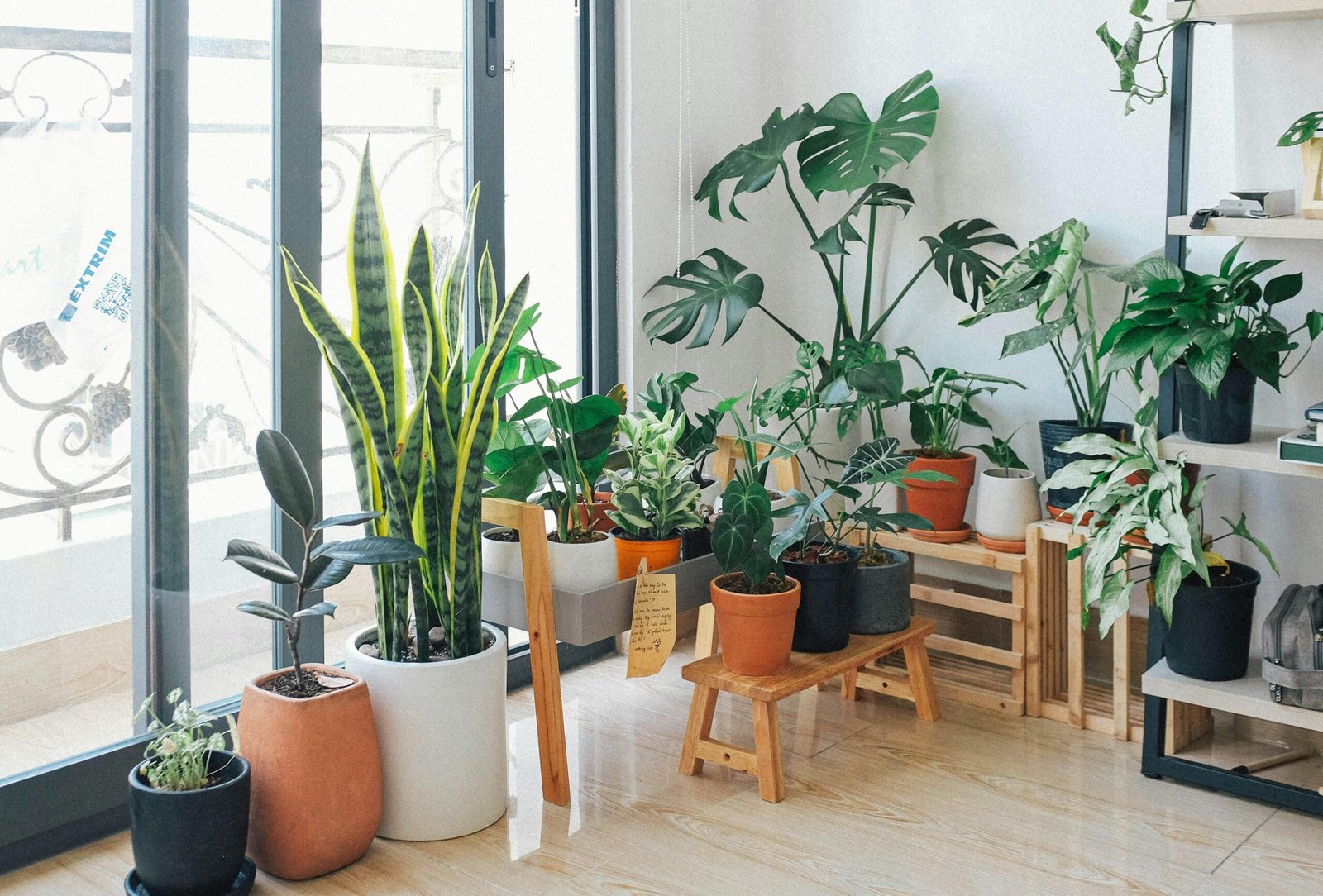
Plants purify the air, brighten up dull corners, and give your space a little life of its own. But let’s be honest, looking after them isn’t always easy.
Between overwatering and skipping a feed, your leafy indoor retreat can quickly turn into a brown, droopy disaster.
Every plant parent has lost a few battles along the way. To help you put those losses behind you, we’ve put together this straightforward guide to keeping indoor plants thriving.
Choose the Right Plants for Your Space
Not all plants are cut out for indoor living. To select the right species for your home, you need to consider how much light it gets, the amount of space you have, and what your typical schedule looks like.
If you have plenty of low-light corners, snake plants and pothos will thrive there. Sunny windowsills? Succulents and jade plants will bask in those rays.
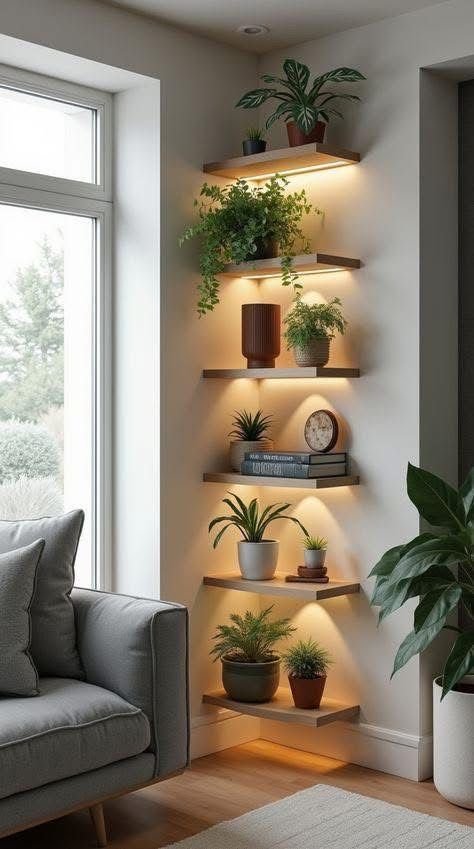
And if you have a big, empty spot in the living room, a fiddle-leaf fig or monstera can fill the space beautifully. As for smaller rooms, aloe vera, spider plants, and dwarf ferns will fit right on your shelf, desk, or kitchen counter.
If you’re usually too busy to even feed yourself, stick to hardy varieties, like sansevierias and cacti. They’ll barely notice if you miss a week.
Be Mindful of the Humidity and Temperature
Though they may all share the same roof, indoor plants don’t thrive in the same conditions. Light is perhaps the most important factor that affects plant health, but humidity and temperature play a crucial part in their wellbeing, too.
Tropical species, such as ferns and calatheas, are basically the spa-dwellers of the plant world. They love a good steam session. To recreate that rainforest feel that keeps their fronds lush, place their pots on pebble trays and run a small humidifier nearby.
As for the temperature, most houseplants are happiest in the same range as us—somewhere between 18 and 24°C.
Keep in mind that sudden swings can stress them out, causing their leaves to drop and their growth to stall, so try to keep the conditions as consistent as possible.
Group Plants by Their Needs
Each plant has its own quirks. That’s part of their charm. A peace lily, for instance, will happily accept a weekly drink, while succulents are perfectly content with a soak once every couple of weeks.
To avoid overwatering, it’s wise to group plants with similar needs together. That way, you can care for them in little teams rather than trying to remember ten different schedules at once.
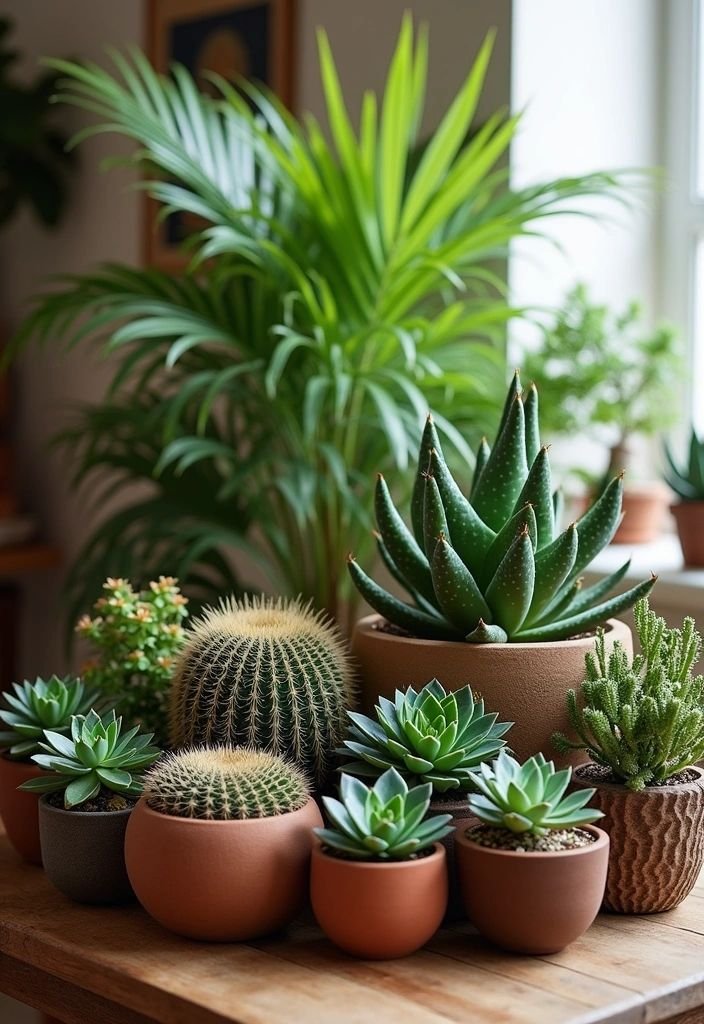
So, take the time to know your green friends a little better, and consider how much light, water, and nutrients they need. Fast growers, like spider plants, benefit from regular feedings, whereas slower growers, such as ZZ plants, don’t demand nearly as much food.
By learning these basics, you’ll avoid common mishaps and create a setup that makes your indoor garden easier and more enjoyable to look after.
Create a Maintenance Schedule
A steady feeding and watering routine will keep your plants healthy without turning your home into a full-time greenhouse, especially if you group them.
If you’re the tech-savvy type, there are plenty of gardening apps that can help you track your watering, feeding, and other tasks. If not, a simple handwritten schedule works just as well.
If you need extra guidance, online gardening communities are full of tips from people who’ve been through it all. You can swap stories with other amateur gardeners, ask them questions, and pick up handy tricks along the way.
Water Wisely
Keeping houseplants hydrated isn’t just about spraying them with water when you remember. It’s about timing, precision, and personalised care.
A watering can with a long spout will make the job easier, allowing you to deliver moisture directly to the soil rather than drenching the leaves.
To make sure your greens have enough time to absorb the water throughout the day, schedule this task early in the morning. But before you top them up, check the soil.
Stick your finger about an inch deep into the soil. If it feels dry, go ahead and water. If it’s still damp, your greens are already hydrated. This quick test helps prevent root rot, one of the most common causes of indoor plant decline.
Feed with Care
Of course, water alone won’t keep your indoor greenery thriving. Just like us, they need a balanced diet.
Liquid fertilisers give fast growers, like philodendrons, a quick pick-me-up, while slow-release granules steadily feed your greenery over several weeks. These are ideal if you’re prone to forgetting or want to maintain your garden’s health in the long run.
Remember, plants are hungriest during their growing season in the spring and summer, so that’s the time to increase your feeding frequency.
Whatever you do, don’t be tempted to overdo it, as excessive fertilising can scorch the roots and leave the foliage looking worse for wear.
Repurpose Kitchen Scraps
Your kitchen can double as a plant pharmacy, offering simple ways to nourish your greenery without spending a penny.
Coffee grounds, for example, add small amounts of nitrogen. However, you should use them sparingly and work them thoroughly into the soil, as they can alter pH balance or attract fungus if overused.
Crushed eggshells are another helpful ingredient. Packed with calcium, they help strengthen stems and improve your plants’ stability as they slowly break down. Just make sure the shells are dry and finely ground before you mix them into the soil.
Keep an Eye on Your Plants
Now that your plants are fed and hydrated, all that’s left to do is keep an eye on them so you can step in right away if they begin to show signs of stress.
Stay on the lookout for yellowing or drooping leaves. These are often a sign of moisture or nutrient imbalance. Brown tips are another red flag that can suggest low humidity or over-fertilising, while curling or spotted leaves may point to disease.
You also need to watch out for unwelcome guests, like spider mites, aphids, or scale insects. If you spot any, start with gentle treatments—a simple mix of neem oil and water often does the trick.
Regular pruning is another essential part of garden maintenance. Snipping away dead leaves and straggly growth will keep your plants neat and healthy and give new shoots room to flourish.
Rotate Your Greenery for Even Growth
Plants are natural light-chasers, which means they’ll happily lean toward the sun, even if it leaves them looking lopsided. To keep them looking their best, give the pots a little spin every couple of weeks.
That way, you can ensure that each side gets its fair share of sunshine, guaranteeing even exposure and symmetrical growth.
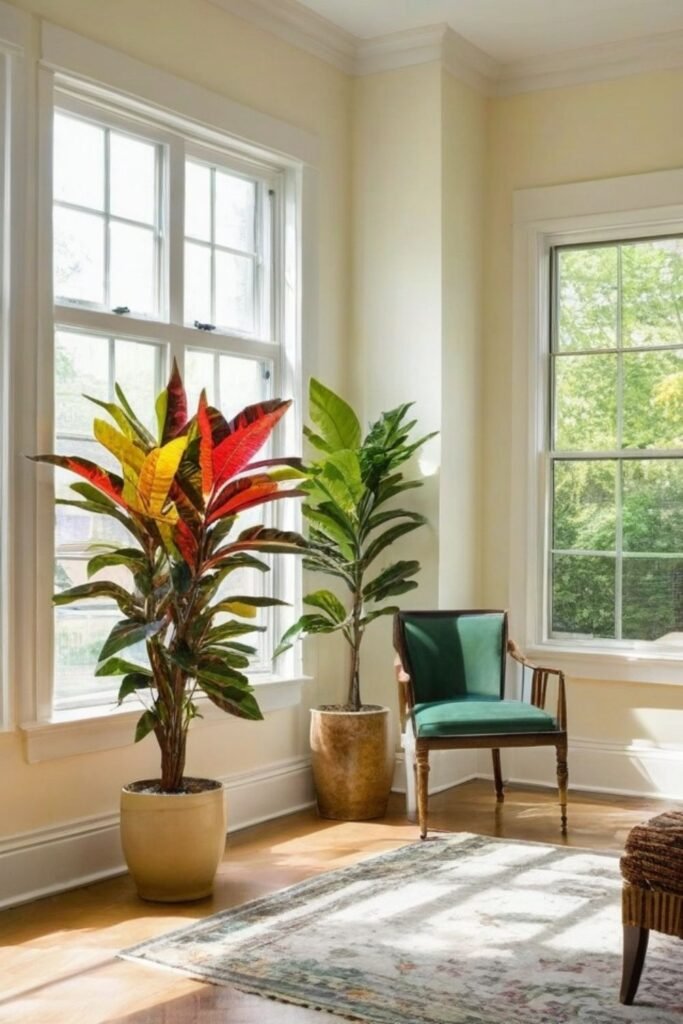
This simple habit also reduces the need for frequent pruning, keeping your green companions in good shape with minimal effort.
Repot as Needed
Healthy indoor plants start with the right foundation. A premium, well-draining potting mix will keep the roots strong and resilient.
The containers you choose are just as important. Pots with proper drainage holes prevent waterlogging, which is one of the quickest ways to cause root rot.
Over time, even the best soil becomes compacted and depleted, which is why repotting is essential.
Most houseplants benefit from a change of scenery every one to two years, depending on their growth rate. This fresh start gives the roots more space to spread and replenishes the soil’s nutrients, keeping your indoor jungle thriving throughout the seasons.
Conclusion
Caring for indoor plants doesn’t have to feel like a chore. With a consistent routine that takes their needs into consideration, every corner of your home will soon be bursting with greenery.
Start small, learn what works best for your space, and enjoy the process. Before you know it, you’ll have a thriving indoor jungle that makes your home feel fresher, brighter, and more alive.